
Step-by-Step Guide to Performing Hajj
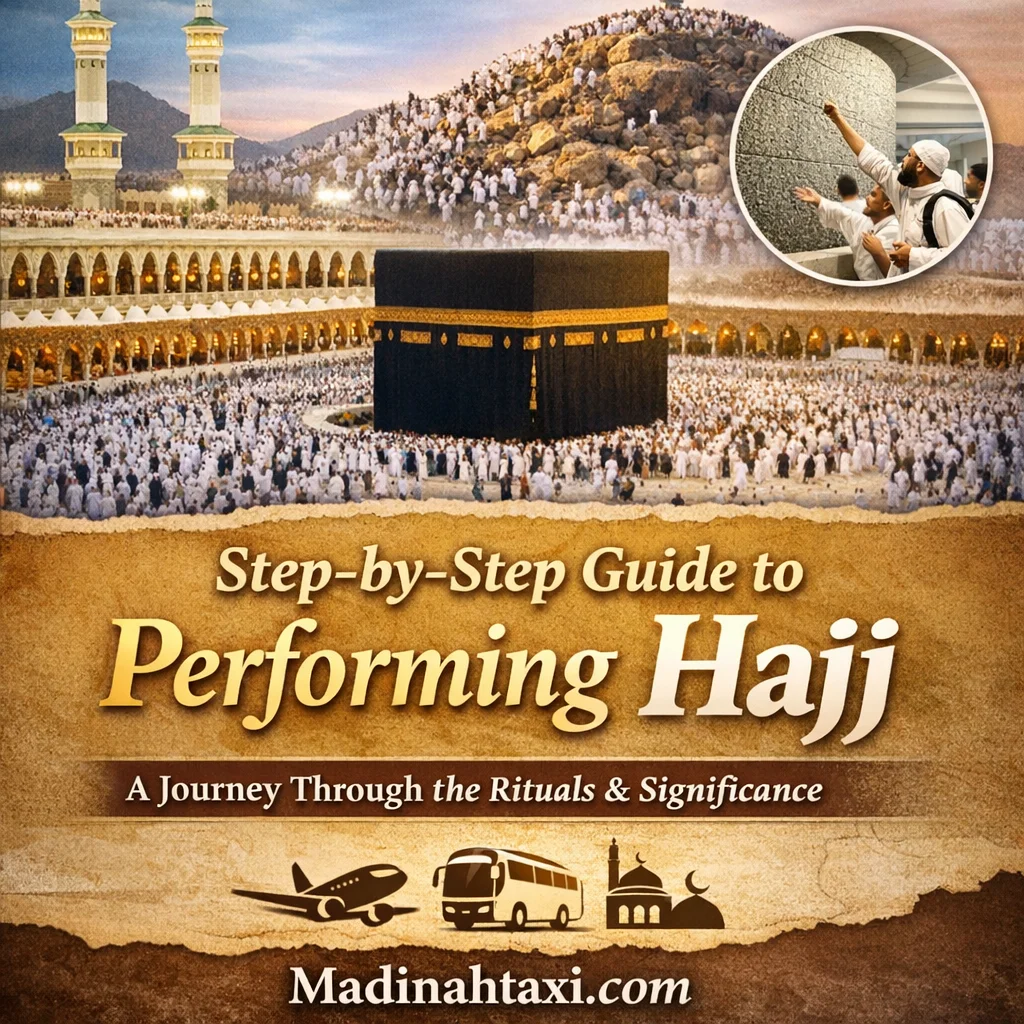
Hajj is one of the most profound spiritual journeys a Muslim can undertake. Performed once a year in Makkah, Hajj is not just a physical pilgrimage—it is a deep act of worship that represents unity, humility, and complete submission to Allah. For first-time pilgrims, the process may seem overwhelming, but when understood step by step, Hajj becomes a meaningful and well-organized journey of faith.
This guide walks you through each stage of Hajj in a clear and practical way, helping you prepare both spiritually and logistically for this once-in-a-lifetime obligation.
Understanding the Importance of Hajj in Islam
Hajj is the fifth pillar of Islam and is obligatory for every Muslim who is physically and financially able to perform it at least once in their lifetime. It commemorates the sacrifices of Prophet Ibrahim (AS), his wife Hajrah (AS), and their son Ismail (AS). Beyond rituals, Hajj teaches patience, equality, discipline, and devotion.
Pilgrims from every culture, race, and background gather in one place, dressed similarly, reminding us that all are equal before Allah.
Step 1: Preparing for Hajj (Before Travel)
Preparation begins long before reaching Saudi Arabia.
Spiritual Preparation
Make sincere repentance (Tawbah)
Strengthen daily prayers and dua
Learn the rulings and rituals of Hajj
Make intention purely for Allah
Practical Preparation
Secure Hajj visa and documentation
Arrange accommodation and transport
Pack Ihram, comfortable footwear, and essentials
Plan reliable travel within Saudi cities
💡 If you are traveling between Madinah and Makkah or need airport transfers, reliable transport services can greatly reduce stress during your journey.
Step 2: Entering the State of Ihram
Ihram is a sacred state entered before reaching the Miqat (designated boundary).
What to Do
Perform ghusl (ritual bath)
Wear Ihram clothing
Men: two unstitched white cloths
Women: modest regular clothing
Make intention (Niyyah) for Hajj
Begin reciting Talbiyah:
“Labbayk Allahumma Labbayk…”
Significance
Ihram represents purity, equality, and detachment from worldly status.
Step 3: Tawaf of the Kaaba
Upon reaching Masjid al-Haram in Makkah, pilgrims perform Tawaf—circling the Kaaba seven times counterclockwise.
Key Points
Begin from the Black Stone (Hajr-e-Aswad)
Maintain humility and focus
Recite personal duas
Meaning
Tawaf symbolizes the believer’s devotion, placing Allah at the center of life.
Step 4: Sa’i Between Safa and Marwah

Sa’i involves walking seven times between the hills of Safa and Marwah.
Historical Significance
This ritual commemorates Hajrah’s (AS) desperate search for water for her son Ismail (AS), reflecting trust in Allah during hardship.
Pilgrims travel to Mina, where they spend the day and night in prayer.
What Happens in Mina
Perform Dhuhr, Asr, Maghrib, Isha, and Fajr prayers
Reflect and mentally prepare for the next day
💡 Efficient group travel and city transfers are essential during these days.
Step 6: Standing at Arafat (9th Dhul Hijjah)
The Day of Arafat is the most important part of Hajj.
What to Do
Stay within the boundaries of Arafat from noon until sunset
Make continuous dua and seek forgiveness
Pray Dhuhr and Asr together
Significance
The Prophet ﷺ said:
“Hajj is Arafat.”
This day represents the peak of mercy and forgiveness.
Step 7: Muzdalifah – A Night Under the Open Sky
After sunset, pilgrims move to Muzdalifah.
Actions
Pray Maghrib and Isha together
Collect small pebbles for Rami
Rest under the open sky
This night teaches simplicity, patience, and humility.
Step 8: Rami al-Jamarat (Stoning the Devil)
Pilgrims return to Mina to stone the largest pillar (Jamarah al-Aqabah).
Meaning
This act symbolizes rejecting temptation and following Allah’s commands, just as Prophet Ibrahim (AS) did.
Step 9: Sacrifice and Halq/Qasr
Qurbani (Sacrifice)
An animal is sacrificed in remembrance of Prophet Ibrahim’s obedience.
Hair Cutting
Men shave or trim hair
Women trim a small portion
This marks partial completion of Hajj and release from Ihram restrictions.
Step 10: Tawaf al-Ifadah
Pilgrims return to Makkah to perform Tawaf al-Ifadah, a mandatory act of Hajj.
This Tawaf signifies spiritual rebirth and completion of core rituals.
Step 11: Final Days in Mina and Farewell Tawaf
Continue stoning the three Jamarat over the next two days
Before leaving Makkah, perform Tawaf al-Wida (Farewell Tawaf)
This final act is a heartfelt goodbye to the House of Allah.
Life After Hajj: Living as a Better Muslim
Hajj is not the end—it’s a new beginning. A successful Hajj reflects in:
Improved character
Stronger faith
Increased patience and humility
Consistent worship
Pilgrims return with the goal of living a life closer to Allah.
Making Your Hajj Journey Easier with Reliable Travel
Hajj involves extensive movement between cities and holy sites. Having dependable transportation can significantly improve comfort and focus during worship.
➡️ For safe, comfortable, and punctual travel in Madinah and beyond, explore our professional transport solutions.
(Internal link suggestion: Home Page or About Madinah Taxi page)Final Thoughts
Hajj is a journey of the heart before it is a journey of the body. When performed with sincerity, patience, and understanding, it becomes a life-changing experience that purifies the soul and strengthens faith.
May Allah accept the Hajj of all pilgrims and grant the opportunity to those still waiting. Ameen.
Madinah Taxi Service Team
The Madinah Taxi Service Team specializes in providing reliable airport transfers, Umrah taxi services, and long-distance travel across Saudi Arabia. With years of hands-on experience serving pilgrims and travelers, our team shares practical travel tips, updated taxi fares, and booking guidance to help visitors enjoy a smooth and stress-free journey in Madinah.